 Progreva
GLP-1 Nausea: What Helps and When to Call Your Care Team
Short answer: GLP-1 nausea happens because these medicines slow stomach emptying. Smaller, slower, lower-fat meals, steady sips of fluid, and a calm pace often help. Call your care team if you vomit repeatedly, cannot keep fluids down, or have severe belly pain.
 Photo: Milada Vigerova / Unsplash
Nausea is one of the most common reasons people feel rough on a GLP-1. It is also one of the most manageable once you know what is going on. We wrote this guide so you can try the gentle fixes first and spot the signs that mean it is time to call.
For the bigger picture, see our guide to GLP-1 side effects.
Why does a GLP-1 make me nauseous?
These medicines slow how fast the stomach empties, so food leaves your stomach more slowly. That leads to bloating, fullness, and nausea. A stomach that stays full for longer is easier to overwhelm, so a meal that felt fine last year can now feel like a brick.
How common is GLP-1 nausea?
Common enough that you are far from alone. In the Wegovy® trials, nausea was reported by 44% of adults on the medicine versus 16% on placebo, and vomiting by 24% versus 6%. The NHS also lists nausea and vomiting as common side effects, while noting that not everyone gets them.
Which eating habits help with nausea?
Smaller, more frequent meals: a small breakfast, then small meals every 3 to 4 hours with adequate fluids. Large meals make vomiting more likely. A few more simple habits: eat slowly, avoid large drinks with meals, and do not lie down soon after eating.
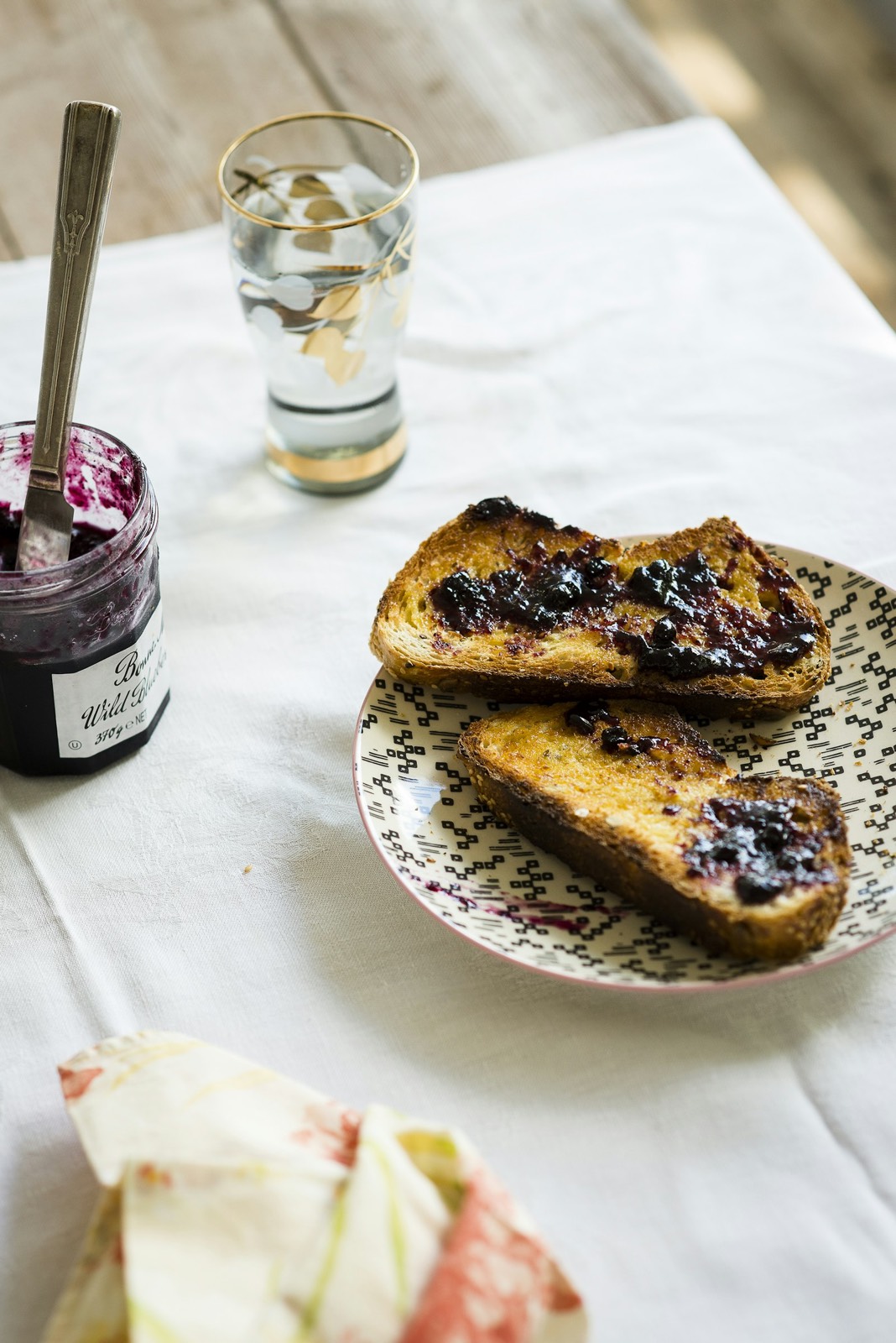 Photo: Tracey Hocking / Unsplash
Here is a simple checklist to try:
- Eat small portions and stop when you feel satisfied, not stuffed.
- Put your fork down between bites and chew well.
- Do not wait until you are starving. Nausea can show up after long gaps without eating.
- Sit upright for a while after meals rather than lying down.
- Keep gentle foods on hand, such as toast, crackers, rice, or yogurt.
Which foods are more likely to trigger nausea?
Rich and greasy foods are the usual suspects. Large or high-fat meals can make stomach side effects worse, and it helps to avoid strong-smelling, hot, fried, or greasy food when you feel sick. Alcohol can make nausea and vomiting worse with semaglutide, and it can worsen reflux too.
Trigger foods are personal, so a note of what you ate before a rough day is worth more than any list. If you want ideas for building meals, our eating guides cover that.
What helps with nausea, symptom by symptom?
| What you notice | What may help | Check in with your care team if |
|---|---|---|
| Queasy right after eating | Smaller portions, slower pace, upright for a while afterward | It happens at most meals |
| Queasy when hungry | A small snack, such as plain toast or crackers, instead of long gaps | You cannot eat at all |
| Greasy or strong smells bother you | Cooler, plainer foods and less frying | It limits what you can eat |
| Bloated and full | Smaller meals, no big drinks with meals | Bloating comes with severe pain |
| Constant low nausea | Cold sips, ginger or peppermint tea | It does not ease over days |
| Vomiting | Small sips of clear fluid once it settles | It repeats or you cannot keep fluids down |
Ginger or peppermint tea and acupressure bands can help too, and cold drinks are another easy thing to try.
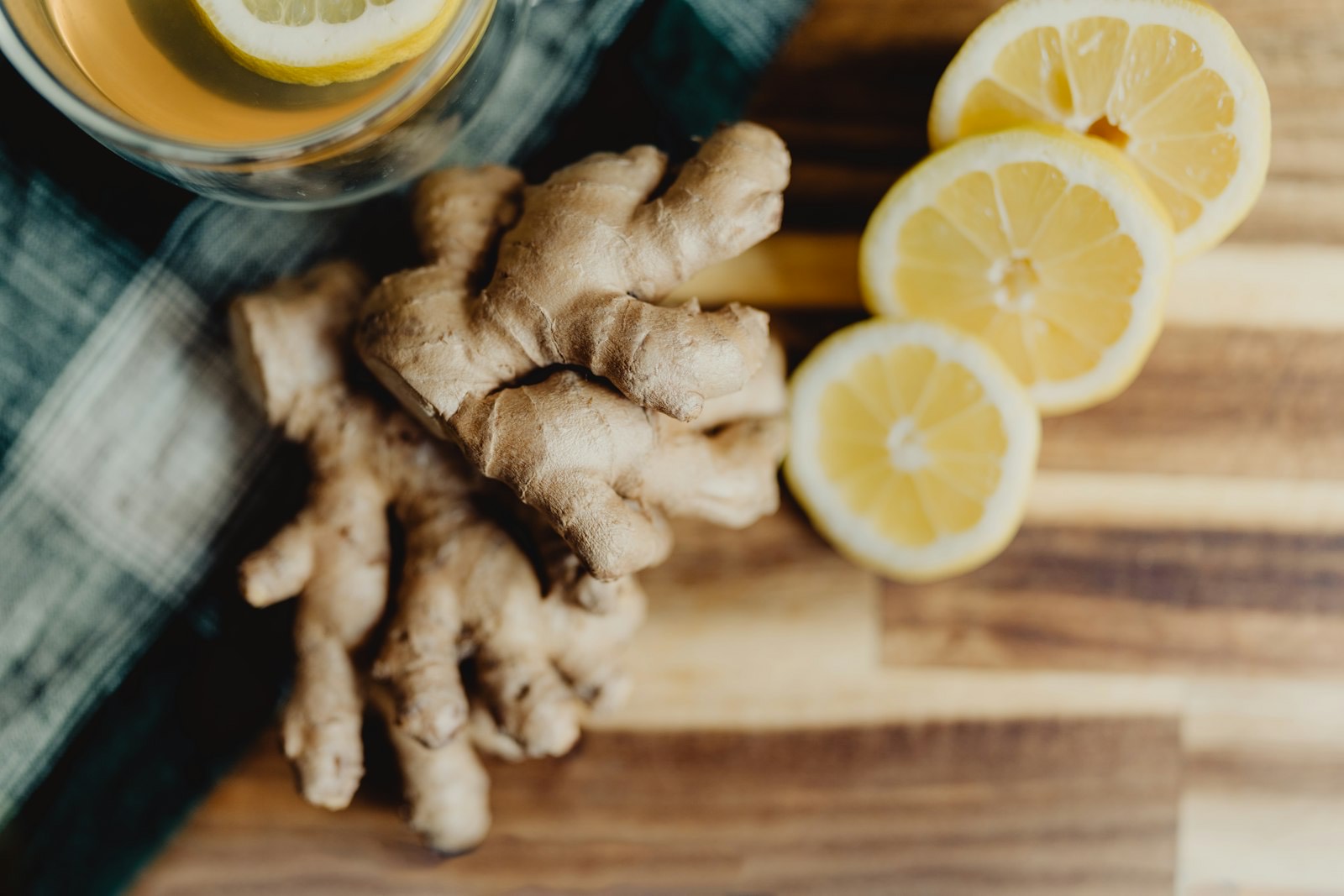 Photo: Kelly Sikkema / Unsplash
How do I stay hydrated when I feel sick?
Take small sips often rather than big glasses, and keep a bottle nearby. Sipping cold drinks regularly can help when you feel sick. This matters because vomiting, diarrhea, or not drinking can lead to dehydration, and dehydration from severe stomach symptoms can cause sudden kidney problems. Most reported kidney events in the Wegovy® trials happened in people who had GI side effects.
When should I call my care team?
Call if nausea is severe, does not go away, or you cannot drink liquids. Tell your doctor if side effects are severe or do not go away. Get medical help right away for several signs:
- Ongoing pain in the upper left or middle belly that may spread to the back, with or without vomiting. An inflamed pancreas (pancreatitis) has been reported, and if it is suspected the medicine should be stopped and care started. That decision belongs to a clinician.
- Upper belly pain with yellowing of the skin or eyes, fever, or clay-colored stools. Gallbladder problems such as gallstones are more common with treatment.
- Dizziness or fainting, a rapid or pounding heartbeat, or decreased urination.
Severe pain in your stomach or back that does not go away needs urgent help. If you think it is an emergency, seek emergency care instead of waiting for a callback. Also, do not stop your medicine on your own, since you should talk with your doctor first.
What should I track?
A short note after each rough day makes your next appointment much more useful: what you ate, how fast, when the nausea started, how long it lasted, and how much you drank. The Progreva app has a side effects log for this, plus water goals, so patterns show up without much effort.
Frequently asked questions
Why do GLP-1 medicines make me feel nauseous?
These medicines slow how fast the stomach empties, which can cause fullness, bloating, and nausea. The effect is part of how they work, and it tends to show up with large, rich, or fast meals. Eating smaller portions more slowly often helps. Tell your care team if it is severe or does not go away.
How long does GLP-1 nausea last?
It varies from person to person. It can come and go, and meals and habits seem to matter. If nausea is severe, keeps coming back, or does not ease, tell your care team. They can look at your whole picture and decide what to do next.
What should I eat when I feel nauseous on a GLP-1?
Small, plain, low-fat foods are usually easiest, such as toast, crackers, rice, yogurt, or broth. Eat slowly, stop when you feel satisfied, and sip fluids through the day. Avoid greasy, fried, or strong-smelling foods for now. If you cannot keep food or drinks down, call your care team.
Does ginger help with GLP-1 nausea?
Ginger or peppermint tea may be helpful, and ginger is a common self-care tip for feeling sick. It is a gentle thing to try, not a treatment. Check with your care team if you take other medicines or nothing seems to help, since they can look at what else might be going on.
Should I stop my GLP-1 if the nausea is bad?
Do not stop or change your medicine on your own. Talk with your prescriber first. Tell your care team how bad the nausea is and when it happens. They can decide whether to adjust your plan, offer other options, or check for something else going on.
Can I take anti-nausea medicine with a GLP-1?
That is a question for your care team or pharmacist, who know your other medicines and health history. A doctor can prescribe anti-sickness medicine when nausea is persistent. They can suggest what fits you. Bring your symptom notes so they can see the pattern.
Is vomiting on a GLP-1 an emergency?
Occasional mild vomiting is a known side effect, but call your care team if you vomit repeatedly, cannot keep fluids down, or notice signs of dehydration. Severe belly pain that does not go away, with or without vomiting, needs urgent medical help, because it can be a sign of an inflamed pancreas (pancreatitis).
Does drinking water help GLP-1 nausea?
Staying hydrated matters, since vomiting or diarrhea can lead to dehydration. Small, regular sips of cold water or clear fluids are often easier than big gulps, especially with meals. If you cannot drink liquids, or you notice much less urination, dizziness, or fainting, contact your care team right away.