 Progreva
GLP-1 Constipation: Fiber, Water, and What Else Helps
Short answer: GLP-1 medicines can slow digestion, and constipation is a common side effect. Fiber-rich foods added gradually, plenty of fluids, and regular movement are the usual first steps. If those are not enough, ask your care team before trying any over-the-counter product.
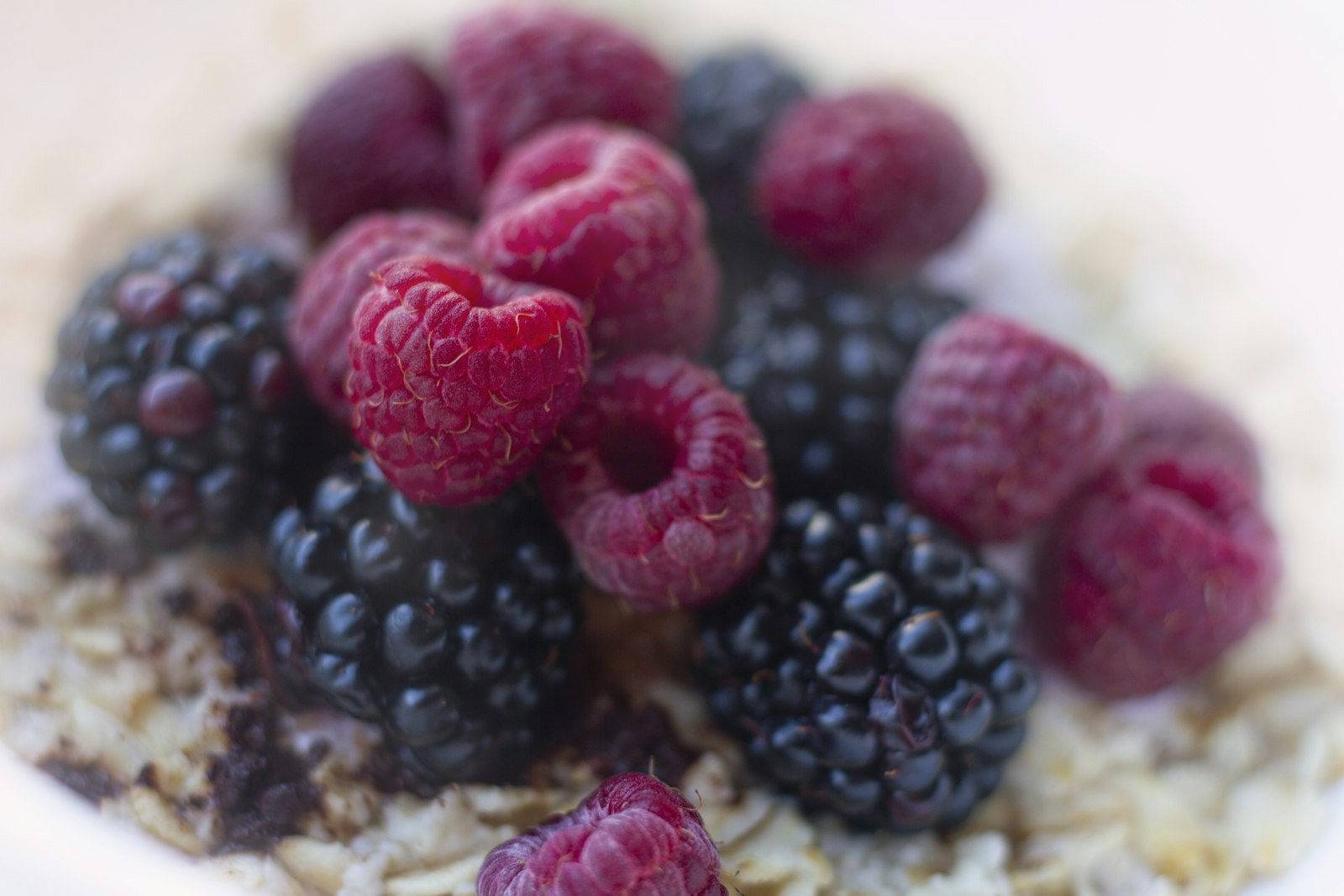 Photo: Margarita Shtyfura / Unsplash
Constipation does not get the attention nausea does, but it can be just as uncomfortable. The good news is that the basics are simple, and most of them are things you can start today.
For the wider picture, see our guide to GLP-1 side effects. If nausea is the bigger issue for you right now, we have a separate piece on what helps GLP-1 nausea.
Why does a GLP-1 cause constipation?
GLP-1 medicines delay gastric emptying, so everything moves more slowly. Eating less food and drinking less can add to it. Constipation is common enough that it helps to deal with it early, which is a fancy way of saying: do not wait for it to get bad.
How common is GLP-1 constipation?
Quite common. In the Wegovy® trials, constipation was reported by 24% of adults on the medicine versus 11% on placebo. Tell your doctor if it is severe or does not go away.
Which foods help with GLP-1 constipation?
Fiber from food is the first tool. Good sources include whole grains, legumes like lentils and black beans, fruits like berries and pears, vegetables like broccoli and carrots, and nuts. Prunes and other dried fruits are options too, and fluids and fiber from foods are worth encouraging. For more easy meal ideas, see our guides on eating with a small appetite.
 Photo: Monika Borys / Unsplash
A few easy swaps:
- Oatmeal or a whole-grain cereal with berries at breakfast.
- Lentils or beans in soup, salad, or a small side.
- A pear, apple, or a few prunes as a snack.
- Vegetables at lunch and dinner.
- A small handful of nuts.
Portions can stay small. Here is a quick way to plan a day:
| Meal | Fiber-friendly idea | Pair it with |
|---|---|---|
| Breakfast | Oatmeal with berries | A glass of water or a warm drink |
| Lunch | Lentil or bean soup | A side of raw or cooked vegetables |
| Snack | A pear or a few prunes | Water, sipped through the afternoon |
| Dinner | Whole grains with broccoli or carrots | A short walk afterward |
If your appetite is small, split these into mini meals. Smaller, more frequent meals also help when nausea is part of the picture, so the same plan can serve both. You do not need to get every item right on day one. One extra serving of fiber-rich food at a time is plenty to start.
Should I add fiber all at once?
No. Go slowly. Add fiber a little at a time, and increase it gradually, so your body can adjust. Adults generally need 22 to 34 grams of fiber a day, depending on age and gender, but your own target may differ.
There is one wrinkle. Some people limit high-fiber foods in the early days when nausea is the main problem, then increase fiber gradually to help constipation. If you are feeling queasy, tell your care team and go at the pace your stomach allows.
How much should I drink?
Enough that fiber has something to work with. Drink plenty of water and other liquids when you eat more fiber or take a fiber supplement. Water, clear soups, and naturally sweetened juices count. It is also best to avoid alcohol when you are constipated. Ask your care team how much fluid is right for you.
Does walking help with constipation?
It can. Regular physical activity may help relieve your symptoms, and a gentle walk after meals is a friendly place to start. A routine helps too: go at a regular time, allow plenty of time, and do not delay when you feel the urge. You may see a difference within a few days, but it can take a few weeks.
 Photo: Christine Tu / Unsplash
When should I ask my care team about laxatives or fiber supplements?
When food, fluids, and walking have not been enough, or constipation keeps returning. Fiber supplements, gentle laxatives, and stool softeners are all additional strategies. Your care team or pharmacist can suggest which one fits you and how long to use it. A professional may recommend a laxative for a short time, and you should use laxatives only if your provider says you should.
When is constipation a red flag?
Call your care team if constipation is severe, is not improving, or keeps coming back. The NHS lists blood in your poo, tummy pain, regular bloating, or a sudden change in bowel habits as reasons to see a doctor. For GLP-1 medicines specifically, cases of a blocked bowel or hard stool that is stuck have been reported after approval. MedlinePlus says to get medical help right away for severe stomach or intestinal problems.
So if constipation comes with significant belly pain, swelling, or vomiting, contact your care team promptly. If you feel very unwell, seek emergency care.
What should I track?
A few notes help your care team see a pattern: how often you go, how hard it is, how much fiber and water you had, and what you tried. The Progreva app has a side effects log, plus fiber and water goals, so you can see the link between what you eat and how you feel.
Frequently asked questions
Why does my GLP-1 make me constipated?
These medicines slow how fast food moves through the stomach, and constipation is a common side effect. Eating less food overall and drinking less can add to it. Fiber from food, fluids, and gentle movement are the usual first steps, and your care team can help if those are not enough.
How much fiber should I eat on a GLP-1?
Adults generally need 22 to 34 grams of fiber a day, depending on age and gender. Your own target may differ, so ask your care team or a dietitian. Add fiber a little at a time and drink fluids with it. That gives your body time to adjust.
What should I drink to relieve GLP-1 constipation?
Water is the simplest choice, and clear soups and naturally sweetened fruit and vegetable juices count too. Fiber works best with plenty of fluid. Alcohol can work against you, so it is best to avoid it. Ask your care team how much fluid is right for you.
Can I take a laxative or fiber supplement with a GLP-1?
Ask your care team or pharmacist first. They can suggest a product that fits your health and other medicines, and tell you how long to use it. A laxative is usually for a short time. It is best not to start one on your own, since the right choice depends on what is causing the constipation.
How long does GLP-1 constipation last?
It differs for everyone. Changes in fiber, fluids, and activity may help within a few days, but it can take a few weeks. If constipation is not improving or keeps coming back, tell your care team so they can look at the bigger picture.
Does walking help GLP-1 constipation?
It may. Regular physical activity can help relieve constipation, and a daily walk is an easy place to start. A short stroll after a meal works well. Keep it comfortable, and ask your care team if you are unsure what activity is right for you.
When is constipation on a GLP-1 a red flag?
Call your care team if constipation is severe or lasts, or if you also have belly pain, bloating, or vomiting. Cases of a blocked bowel or hard stool that is stuck have been reported with these medicines, and severe stomach or intestinal problems need medical help right away. Seek emergency care if you feel very unwell.