 Progreva
How to Pick Your GLP-1 Shot Day and Stick to It
Short answer: No weekday is officially best for a weekly GLP-1 shot. The prescribing information says to use the same day each week, at any time of day, so the best day is the one you can keep. Choose a steady day, set reminders, and ask your care team before changing it.
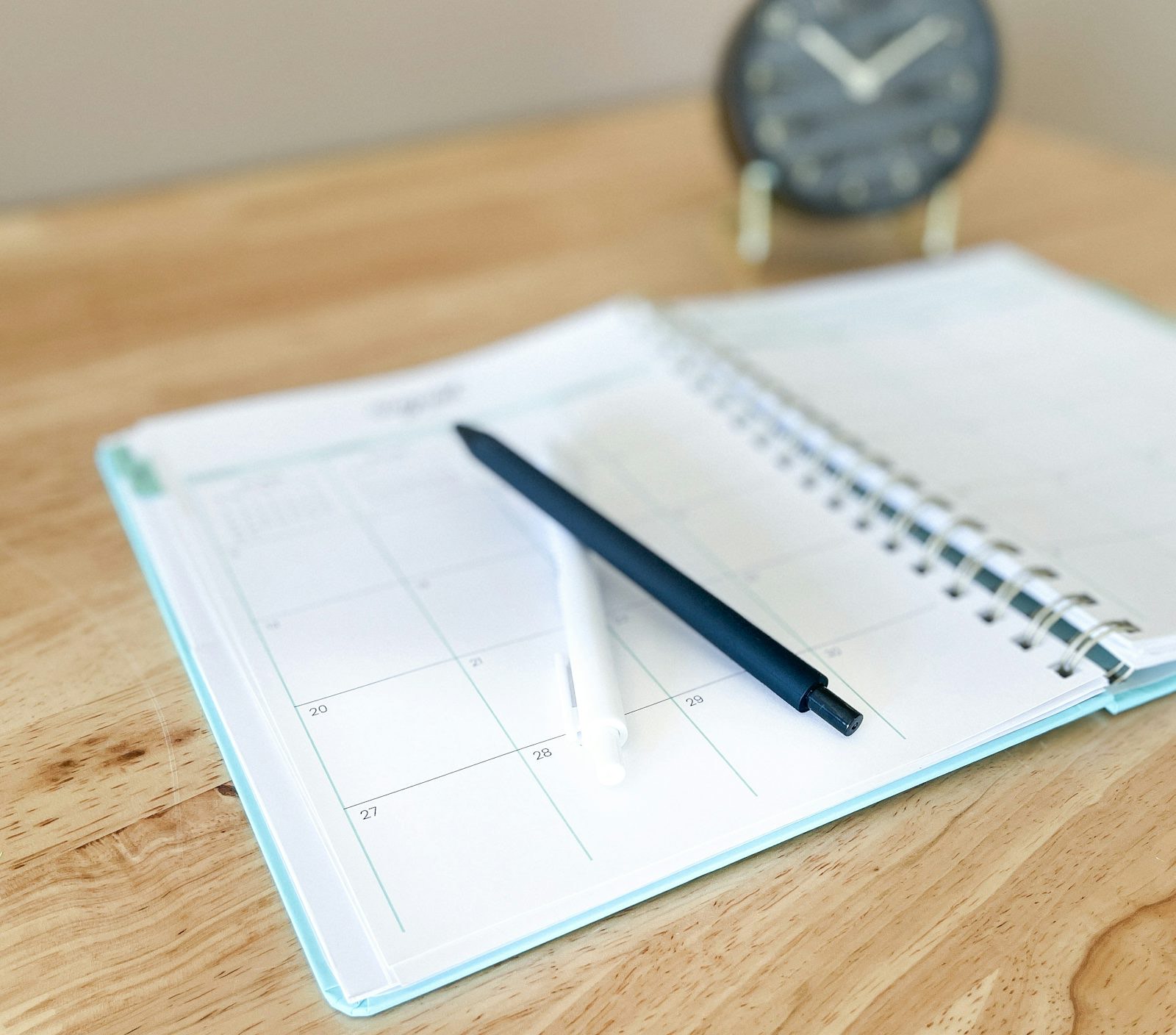 Photo: Cabri Caldwell / Unsplash
Picking a shot day sounds trivial until the first Thursday you are stuck in traffic and the pen is at home. A little planning up front saves a lot of "wait, what day is it?" later.
We wrote this to help you choose a day, anchor it to your week, and keep it. For the wider picture on pills versus injections, see our pills and shots guide.
What day of the week should I take my GLP-1 shot?
Whichever day fits your week. Nothing in the prescribing information names a weekday. Ozempic®, Wegovy®, and Mounjaro® are all taken on the same day each week, at any time of day, with or without meals. The Mounjaro® instructions for use even include a medication calendar: write the day of the week you choose, then the dates. The choice is yours, and consistency is the point.
Does the time of day matter for a weekly shot?
No. Any time of day works, with or without meals. Many people still pick a regular time, because a fixed cue is easier to remember than a floating one.
Can I change my GLP-1 shot day?
Sometimes, within limits that depend on your product. Ozempic® allows a change as long as the time between two doses is at least 2 days (more than 48 hours), and Mounjaro® says at least 3 days (72 hours). Check your own label, and ask your care team before you move anything. If a change is planned, such as a new job schedule, get it cleared first.
 Photo: Aimee Giles / Unsplash
How do I pick a shot day I can keep?
Look for a day with a steady rhythm, not a perfect one. Ask yourself a few questions:
- Is my schedule usually similar on this day?
- Will I be home, or near my supplies, most weeks?
- Is there something that already happens on this day that I can pair it with?
- Would I notice if I missed it?
If weekends are unpredictable, a weekday may work better. If workdays are packed, a calmer weekend morning might. Either is fine. Talk it through with your care team, who know your appointments and your routine.
How do I turn my shot day into a habit?
Two ideas from research help. The first is the cue. In a well-known study by Lally and colleagues, 96 volunteers picked a daily behavior and linked it to a cue for 84 days. Habit strength climbed with repetition and then leveled off. The average time to plateau was 66 days, but it ranged from 18 to a predicted 254 days. That study used daily behaviors, and weekly routines are less studied, so be patient.
The second is the if-then plan, which researchers call an implementation intention. A meta-analysis of 94 tests found a medium to large effect on reaching goals when people spelled out the when, where, and how in advance. For a shot day, that sounds like: "If it is Sunday morning and I have made my coffee, then I take out my pen." Pairing a new habit with an old one is often called habit stacking.
What does a weekly shot plan look like?
Use a table like this as a starting point, then adapt it to your week:
| Part of the plan | Question to answer | Example |
|---|---|---|
| Day | Which day is usually steadiest? | A set weekday or weekend day |
| Cue | What already happens that day? | After morning coffee |
| Place | Where do I keep my supplies? | In the same spot every week |
| Back up | Who or what reminds me twice? | Phone alert plus a wall calendar |
| Travel | What changes when I am away? | Calendar entry before the trip |
| Check in | When do I review it? | At each care team visit |
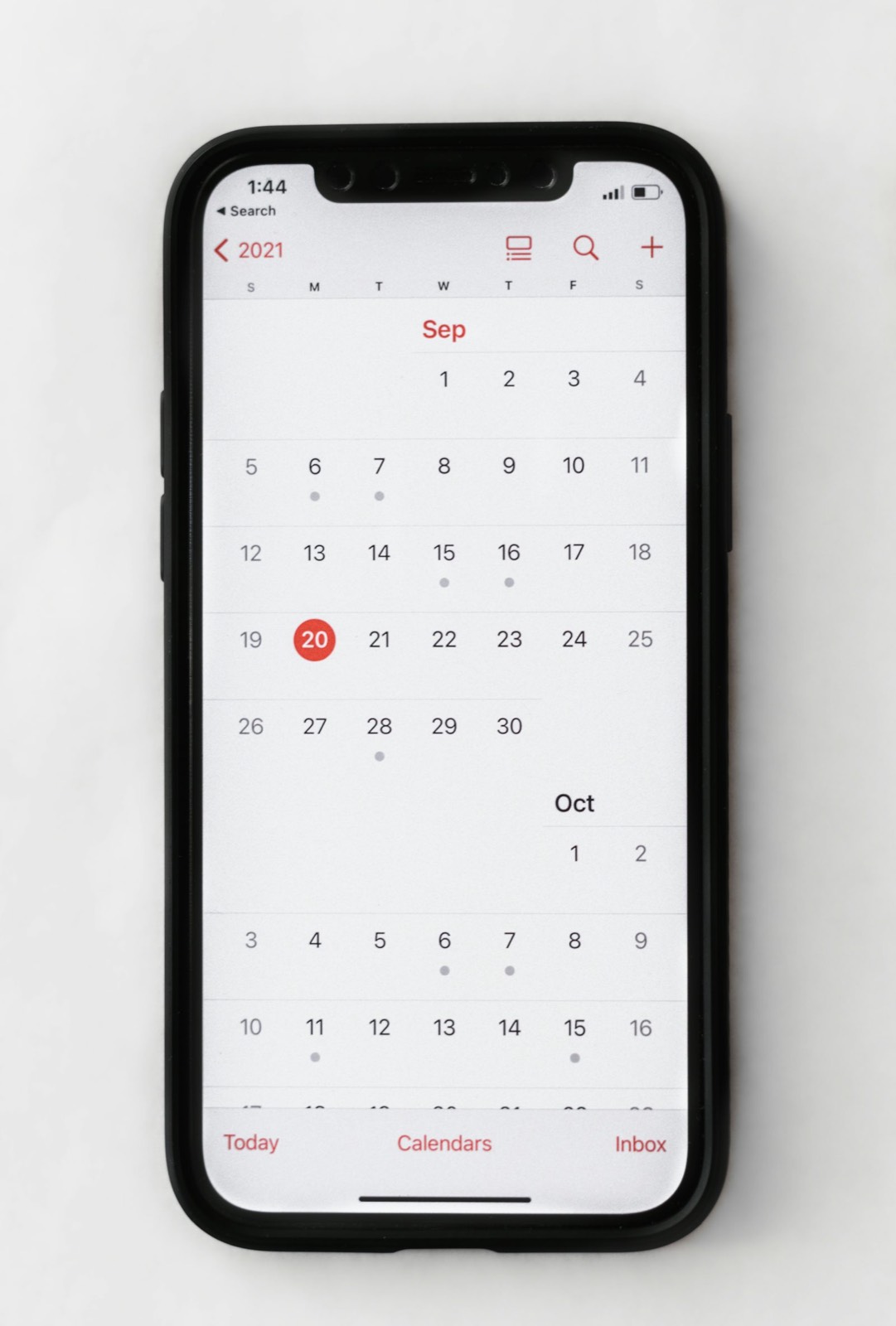 Photo: Behnam Norouzi / Unsplash
What reminders help me remember my weekly shot?
Stack two. A repeating phone alert is the base, and a visible cue is the backup: a sticky note, a calendar square, or the pen carton in a spot you pass every day. A friend or partner who knows your shot day can be a third layer. Keep the alert wording simple and specific, such as "Shot day, check supplies."
Reminders also protect you on travel weeks. Before you go, check your label for storage limits and put the shot day in your trip calendar. If something about timing is confusing, call your care team. For stomach pain that will not go away, or if you cannot keep fluids down, call them right away. The Wegovy® medication guide lists severe pain in your stomach area as a reason to call. In an emergency, call 911.
If you wonder how a daily pill differs, we compare the two in GLP-1 pill vs weekly shot. For the habit side of shot day, see our shot day guide.
What should I track?
Track what you can do in ten seconds: the date you injected, which site you used, and any side effects. Seeing your streak helps the habit, and the log helps your care team. The Progreva app has a dose and injection site log, a side effects log, and reminders for this.
Frequently asked questions
What is the best day of the week for a GLP-1 shot?
There is no official best day. The prescribing information says to use the same day each week, so the best day is one you can keep. Pick a day that is usually predictable for you, and talk it through with your care team before you settle on it.
Does the time of day matter for a weekly GLP-1 shot?
Ozempic®, Wegovy®, and Mounjaro® all say any time of day, with or without meals. So the clock matters less than keeping the same day. Some people like a set time because it makes the habit easier, and that is a personal choice.
Can I change my GLP-1 shot day?
Sometimes, within your product's rules. Ozempic® allows a change as long as the time between two doses is at least 2 days (more than 48 hours), and Mounjaro® says at least 3 days (72 hours). Check your own label and ask your care team before moving anything.
What should I do if I forget my shot day?
Follow your label and ask your care team. Missed dose rules differ between tablets, injections, and products, so your prescriber is the right person to ask. Tell your prescriber what happened, then add a second reminder or move your supplies somewhere more visible for next time.
How long does it take to build a weekly shot habit?
It varies. In one study of daily habits, people took anywhere from 18 to 254 days to reach their peak automaticity, with an average of 66. A weekly habit has fewer repeats, so reminders stay useful for a while. Give yourself time, and keep the cue steady.
Should I pick a weekend day or a weekday?
Neither is better. Choose the day with the steadiest routine, since habits are easier to keep when the context is the same each time. If your weekends change a lot, a weekday may be easier. Your care team can help you decide.
How do I keep my shot day when I travel?
Plan ahead. Check your label for storage limits, and ask your pharmacist how to pack your pen. Write your shot day in your travel calendar before you leave. Do not change the day on your own because of a trip, since the same rules apply on the road.
What helps me remember my weekly shot?
Pair it with a cue that already happens, set a repeating phone alert, and mark it on a wall calendar. The Mounjaro® instructions for use include a medication calendar for the same purpose. Many people use two reminders, so one can back up the other.