 Progreva
Protein on a GLP-1 When Your Appetite Is Small
Short answer: Protein helps support your muscles while you eat less, and a joint nutrition advisory lists it as a priority on GLP-1 treatment. Small, soft foods like Greek yogurt, eggs, tofu, and fish make it easier. Eat protein first, sip liquids, and ask your dietitian or care team what your recommended daily amount of protein is.
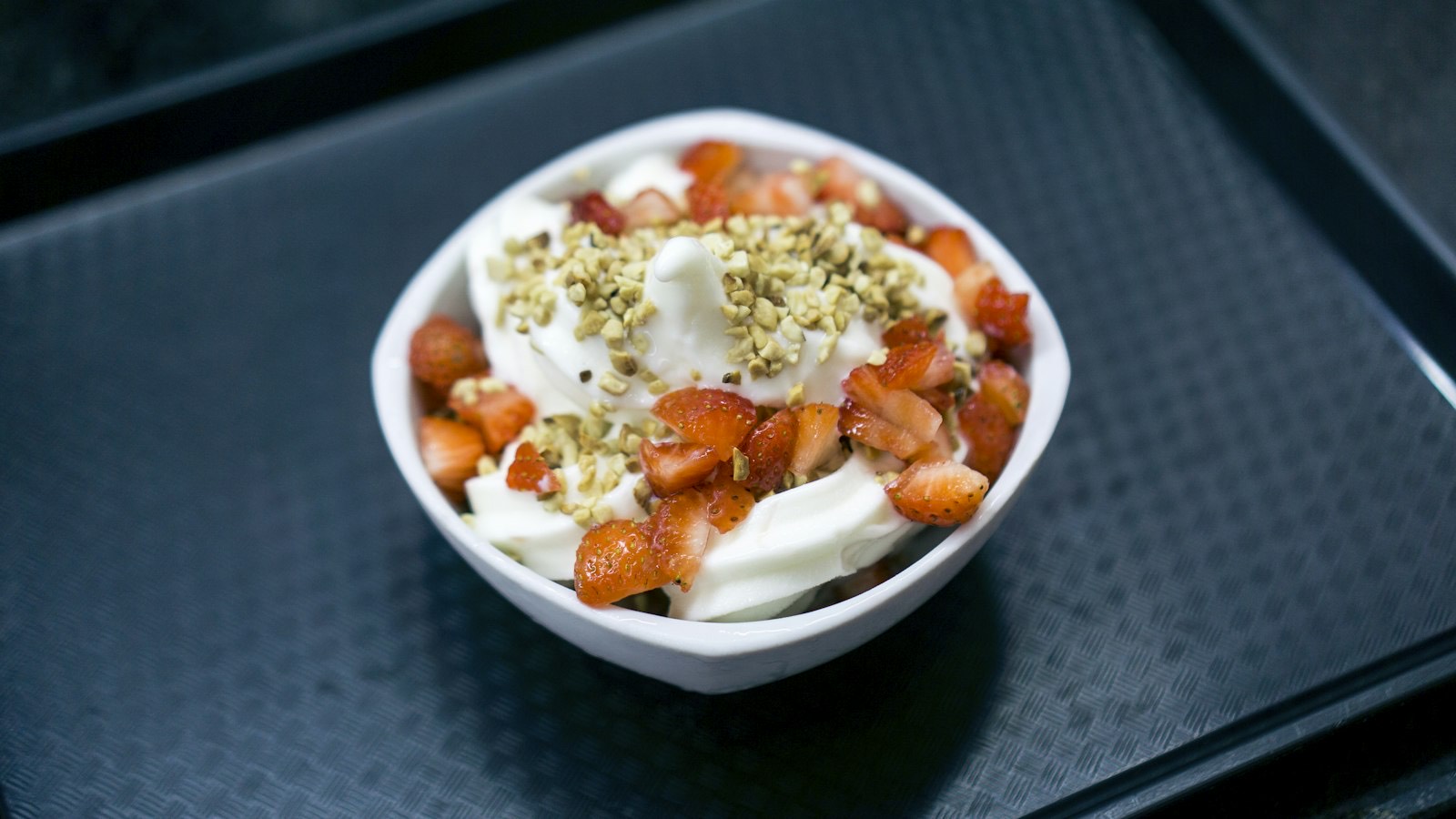 Photo: Fábio Alves / Unsplash
When your appetite drops, protein is often the first thing to slip. A small plate fills up fast, and the foods that feel easiest, like crackers or toast, are not exactly protein stars. A little planning goes a long way.
This guide is part of our eating on a GLP-1 collection, and it pairs well with What Is Food Noise, and Why Does It Quiet Down on a GLP-1?.
Why does protein matter on a GLP-1?
Protein is the nutrient your body uses to repair cells and make new ones. When you eat much less overall, it is easy to eat much less protein too.
It also comes with an honest caveat: eating more protein alone is likely not enough to preserve muscle mass, so pair it with strength training. Protein is one piece of the plan, not the whole thing.
How much protein should I aim for?
That is a question for your dietitian or care team. Your size, kidneys, age, activity, and health history all matter.
For context only, the general adult recommended daily amount (RDA) is 0.8 g/kg/day, and higher targets of 1.2 to 1.6 g/kg/day have been proposed during active weight reduction. Going to 2 g/kg/day or more for long stretches is not advised. Ask your dietitian or care team what your recommended daily amount of protein is, and write down the answer.
What are the easiest high-protein foods with a small appetite?
Aim for foods that are soft, cool or mild, and compact. Large or high-fat meals can worsen stomach side effects, and smaller, regular meals help. Good candidates:
- Greek yogurt or plain yogurt, with a few berries
- Cottage cheese
- Scrambled or soft-boiled eggs
- Silken or soft tofu
- Flaked fish, like salmon or tuna
- Lentil or bean soup, blended if you like
- Milk, kefir, or soy milk
- Smooth nut butter on a small piece of toast
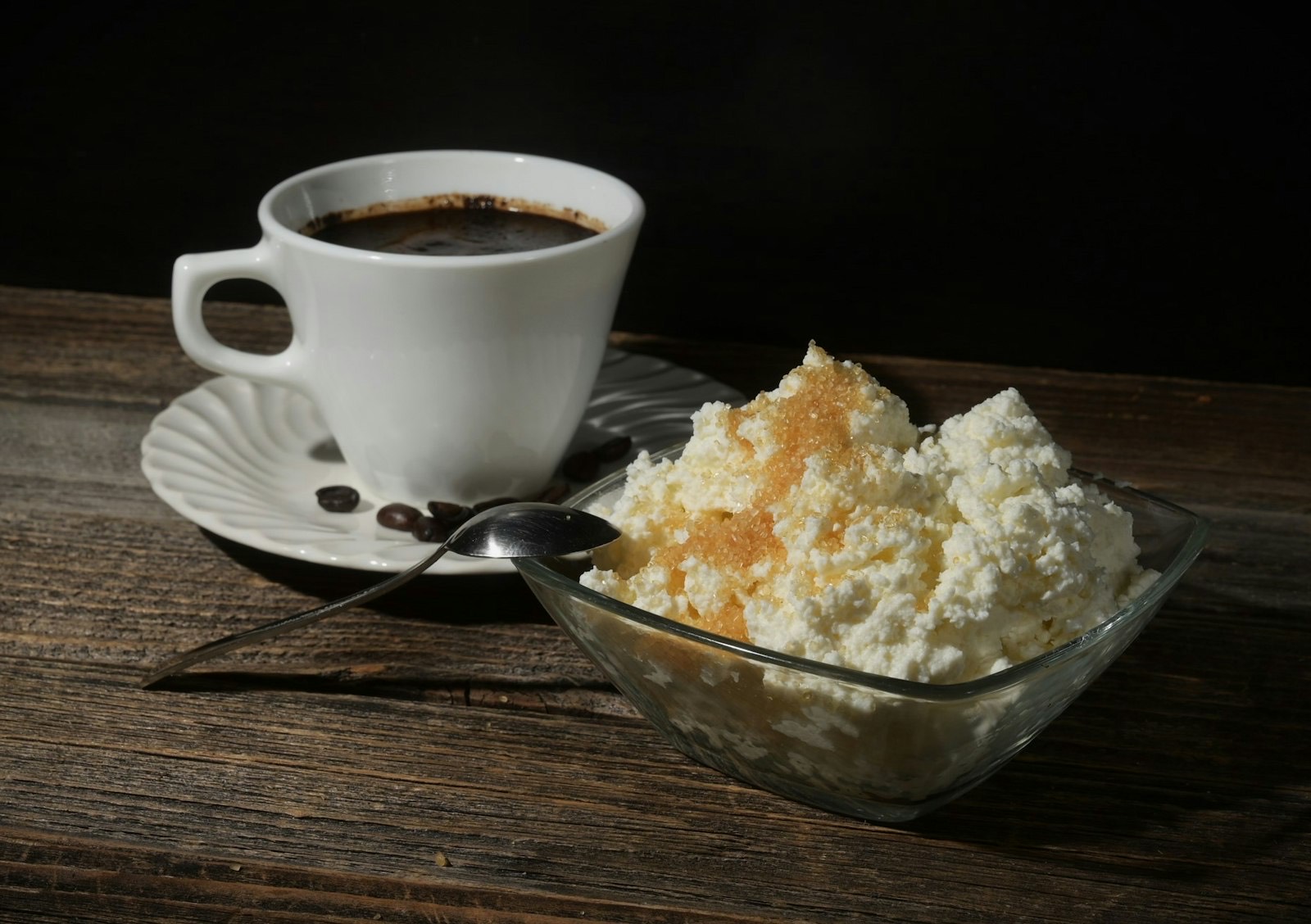 Photo: Gennady Zakharin / Unsplash
How much protein is in common foods?
Here is a snapshot using USDA FoodData Central values. The "per 100 g" column comes straight from the linked USDA entries. The serving column is our rough estimate, and the last column is simple math, so treat it as approximate. Labels and brands vary.
| Food (USDA entry) | Protein per 100 g | Rough serving | Approx. protein in that serving |
|---|---|---|---|
| Greek yogurt, nonfat, plain | 9.5 g | About 3/4 cup (170 g) | About 16 g |
| Eggs, scrambled | 10 g | About 1/2 cup (100 g) | About 10 g |
| Tofu, raw, firm | 17.3 g | About 4 oz (100 g) | About 17 g |
| Salmon, Atlantic, farmed, cooked | 22.1 g | 3 oz (85 g) | About 19 g |
| Chicken breast, roasted | 31 g | 3 oz (85 g) | About 26 g |
| Lentils, boiled | 9 g | About 1/2 cup (100 g) | About 9 g |
| Peanut butter, smooth | 22.2 g | 2 tbsp (32 g) | About 7 g |
Notice how a small serving of yogurt or fish can deliver a lot without a big plate.
How do I make "protein first" a habit?
Eat protein-rich foods first in a meal to make it more likely you get enough. With a small appetite, that order matters, because you may be full before you reach the last item on your plate.
- Start with two or three bites of the protein, then add the rest.
- Pair protein with something easy, like yogurt with fruit or eggs with a slice of toast.
- Keep tiny, ready-to-eat options around: a cheese stick, a boiled egg, a yogurt cup.
- Eat small meals at regular times, about every 3 to 4 hours, with plenty of fluids.
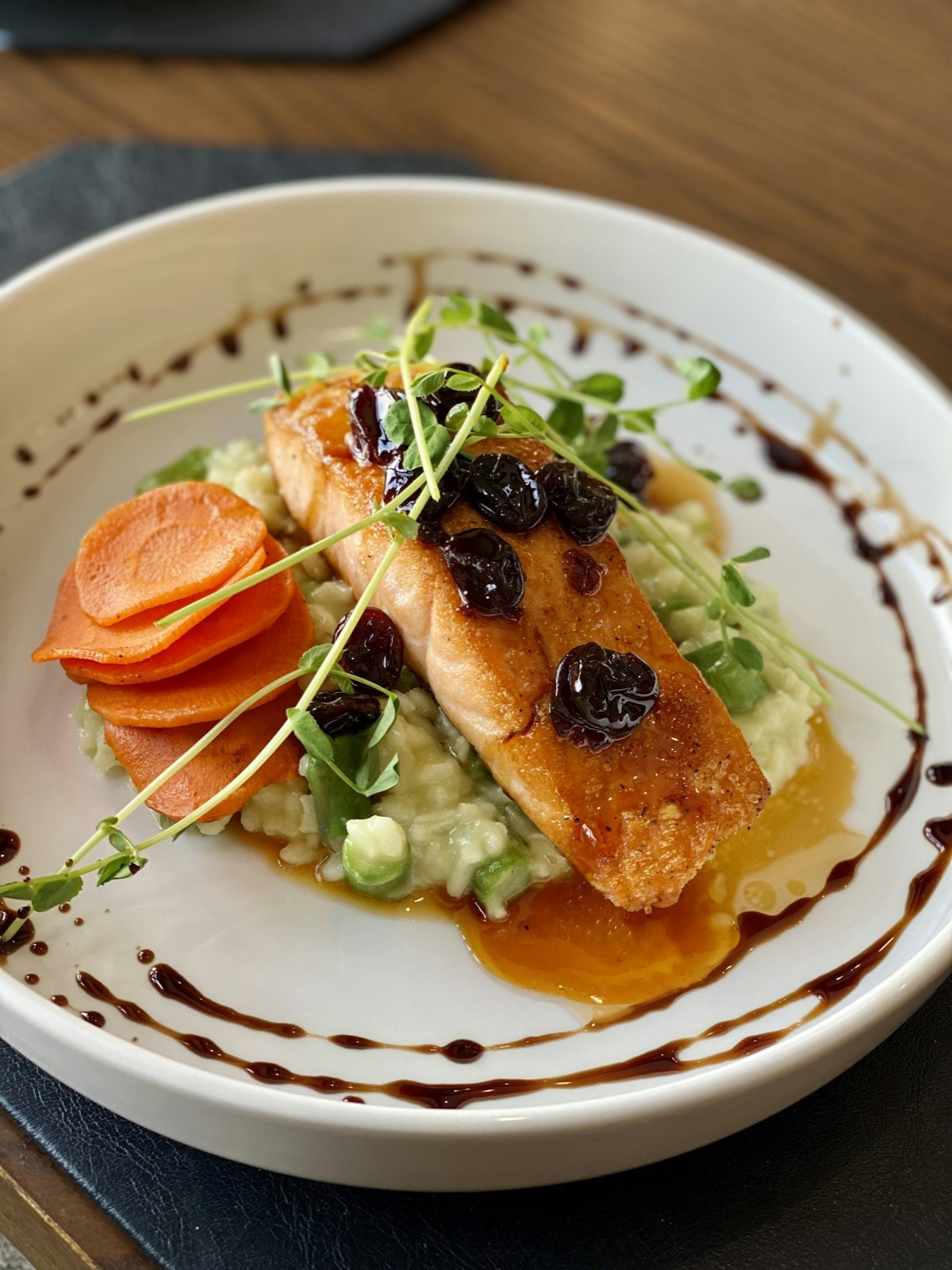 Photo: Sara Nichols / Unsplash
Can I drink my protein on low-appetite or nauseous days?
Yes. Liquid protein can be easier than chewing. Milk, kefir, and soy milk all count, and a blended soup can too. Sip slowly. Stay on top of water as well, since adequate fluid intake helps prevent dehydration, and the NHS lists feeling sick, vomiting, and constipation among common side effects of semaglutide.
If nausea, vomiting, or diarrhea is severe, call your care team, because dehydration from these symptoms can lead to kidney problems. Severe or persistent belly pain, with or without vomiting, is another reason to call right away. For other symptoms, see our side effects guides.
What should I track?
A few simple notes help your dietitian more than a perfect food diary: roughly how much protein you got, which foods felt easy, how you felt afterward, and how much water you drank. The Progreva app has protein, fiber, and water goals and a side effects log, and Pro adds a food log with photo meal scan. Soon you will also be able to download a report to share with your care team. A short weekly look at the pattern is plenty to bring to your appointment.
Frequently asked questions
How much protein do I need on a GLP-1?
It depends on your body, your health, and your goals, so ask your dietitian or care team what your recommended daily amount of protein is. For context, the general adult recommended daily amount (RDA) is 0.8 g/kg/day, and 1.2 to 1.6 g/kg/day has been proposed during active weight reduction. Treat those as background, not a personal target.
What if I can barely eat anything?
Go small and soft: a few spoonfuls of yogurt, an egg, a protein-rich soup, or a small glass of milk. Eating small meals every few hours can be easier than three big ones. If you are eating very little for days, or cannot drink liquids, call your care team.
Do I need protein shakes on a GLP-1?
Not necessarily. Food comes first for many people, and a dietitian can tell you whether a shake makes sense for you. Some people find liquids easier on a low-appetite day. If you use one, check the label for protein and added sugar, and ask your care team if it fits your plan.
Will protein alone protect my muscle?
Probably not alone. Eating more protein by itself is likely not enough to preserve muscle mass, so pair good nutrition with strength training. Ask your care team what kind of activity is safe and realistic for you, and start with something you can keep doing.
Should I eat protein first at every meal?
It is a simple habit that many people find helpful. Eating protein-rich foods first makes it more likely you get enough. On a small appetite, you may feel full before you reach the protein, so starting with it gives it the best chance. Two or three bites first is a fine place to begin.
What are the easiest high-protein foods when I feel nauseated?
Cold, plain, soft foods are often easier: yogurt, cottage cheese, scrambled eggs, silken tofu, or milk. Very rich, greasy, or strongly scented foods can be harder, since large or high-fat meals can worsen stomach side effects. If nausea is strong or constant, tell your care team.
Is it okay to get protein from plants?
Yes. You do not need animal products to get the protein you need, and soy, beans, legumes, and nut butters are all plant sources. Tofu, lentils, and peanut butter all show up in the USDA table above. Your dietitian can help you balance a plant-based plan.
Can I drink my protein if chewing feels like too much?
Yes, for many people liquids are easier. Milk, kefir, soy milk, and blended smoothies can all carry protein. Sip slowly rather than gulping, because fast drinking can add to fullness or nausea. Keep water going too, since adequate fluids help prevent dehydration and constipation.